

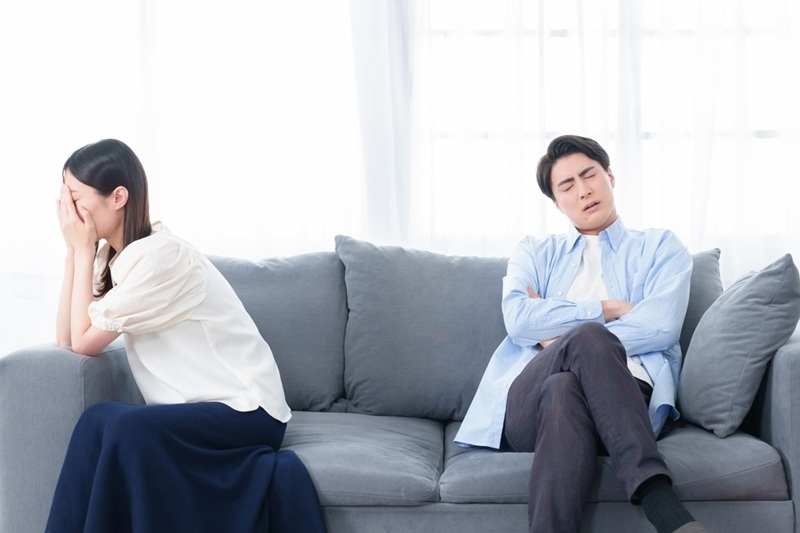
Relationships aren't always pretty, but it's the emotional connection that typically makes one feel secure, heard, and supported. When one person lacks openness, connection, and active listening, the relationship can be isolating and confusing. This is often known as dating someone emotionally unavailable. Research by the American Psychological Association indicates that emotional responsiveness has the greatest impact on long-term marital satisfaction, and couples who have emotional conversations tend to have greater trust and less stress in their relationship than those who do not. However, emotional unavailability isn't uncommon. People have emotional unavailability due to several things, like traumatic experiences, early childhood conditioning, the fear of rejection, or learning the wrong patterns in relationships throughout their lives. In this article, we will review what exactly it means to be emotionally unavailable, the common signs to look out for, the reasons why this behavior occurs, and ways to protect your emotional self in the relationship.
An emotionally unavailable partner typically cannot connect with others on a deeper emotional level. This is because they struggle with some types of conversations, they have no respect for emotions, and can seem distant in key aspects of relationships. This lack of respect doesn't necessarily suggest they don't care; on many occasions, emotional unavailability stems from fear, a reluctance to embrace feelings, or experiences from past trauma. Indicators that your partner is emotionally unavailable include: Being reluctant to discuss feelings, retreating during conflicts, struggling with commitment, and dodging difficult subjects. Placing a lot of emphasis on their independence. Avoiding closeness or connection. Over time, this imbalance can really strain a relationship, leaving you chasing after your partner for a connection.
Recognizing someone emotionally unavailable can sometimes be tricky, since the indicators may seem slight at first. A big indicator is inconsistency; you'll find that they are often caring one moment, then emotionally disconnected and shut off the next. If there's ever a discussion about deeper feelings, that partner may shut down the conversation entirely. More signs include: Low affection. Avoiding serious conversations about the relationship. Lack of emotional support. Fear of labels/commitment. Becoming defensive when conflicts arise. Rarely talking about how they are feeling. Some emotionally distant partners might use external distractions to prevent getting close in a relationship, such as heavy reliance on work, social media, gaming, or just a busy lifestyle.
Becoming emotionally unavailable rarely happens overnight. According to relationship psychologists, attachment styles established in early childhood can carry over and influence adult relationships. If you had a parent who had inconsistent emotional availability, or the childhood household was an unpredictable place to be, you may have learned to distance yourself as a coping mechanism. Past heartbreaks also play a big role. A victim of a betrayal, or who has been left alone or forced to be in unhealthy relationships, might start protecting themselves from feeling pain like that again by emotionally detaching themselves from the other person. Depression, anxiety, and chronic stress are just some of the mental health conditions that can contribute to an emotionally distant person. In an unhealthy relationship, emotional distance may even occur due to a cycle that was built over time, where both people have stopped trying to communicate openly.
When communication in a relationship becomes difficult and the connection dwindles, the overall relationship suffers. A feeling of self-doubt and a tendency to question every interaction may arise in the partner who desires a connection, while the other partner may begin to feel attacked and overwhelmed. This type of imbalance leads to emotional exhaustion, frustration, and loneliness. Research from the Gottman Institute has shown that emotional detachment is one of the strongest indicators of relationship dissatisfaction. Individuals in relationships with an emotionally unavailable partner commonly complain of feeling emotionally neglected. Like they are walking on eggshells. Constantly questioning the relationship. Isolated even while with their partner. High anxiety and insecurity. Over time, emotional distance can erode self-confidence and mental well-being.
People who are emotionally unavailable can change, but only if they recognize that there is an issue with their behavior and they sincerely want to become more available. Growing emotionally is a process that involves self-awareness, effective communication, and significant effort. A person who is emotionally unavailable can't be forced to feel ready to be vulnerable. Genuine change involves having deep, meaningful conversations, being held accountable for behavior, getting therapy or counseling, learning to trust each other over time, and consistent vulnerability. Just loving a partner with emotional unavailability isn't going to solve the problem; effort needs to be mutual and come from both sides.
Coping with an emotionally unavailable partner and coping with relationship issues can be an emotionally exhausting experience, especially since communication may be inconsistent. Every relationship is different, but several healthy habits may help you feel more secure, in turn possibly making the relationship stronger:
Instead of bottling up your feelings and expecting your partner to know how you feel, try communicating them in a calm and clear manner. Often, this leads to better results than an emotional outcry or argument. Try not to say, "You never care," but instead, tell them what certain actions of theirs make you feel.
In an unhealthy relationship, a partner with emotional unavailability can often rely on the other partner to do all the emotional work to keep the connection alive. You are not responsible for doing the work for two people.
This is necessary in any relationship and is important for your own well-being. Good boundaries could be not letting an emotionally draining conversation go on for too long or not allowing them to play psychological games with you.
When you are with someone emotionally unavailable, you might get so caught up in your relationship and trying to improve it that you forget to focus on yourself. Having friendships and hobbies outside the relationship, and pursuing personal goals, can greatly improve your self-esteem and reduce your dependence on the relationship for happiness.
A person who is emotionally unavailable will quickly shut down if you seem too demanding or confrontational. Creating emotionally safe conversations with patience will likely help your partner feel more open with you over time.
A trained therapist can help you address whatever underlies the relationship and the emotional barriers. Research has shown that therapy can increase emotional awareness and improve satisfaction in a relationship when both partners are willing to work on it. Here, an outer perspective and expert relationship advice really help.
Every relationship will face issues, but some problems are beyond help. If your partner continuously neglects your feelings, evades responsibility, or attempts to manipulate you, it might be time to reconsider your relationship. An ideal partnership will consist of emotional safety, mutual respect, trust, and emotional support for the majority of the time.
People also often practice mindfulness techniques and engage in guided relationship exercises to support emotional well-being and improve relationship habits outside the therapist's office.
Every relationship with emotional distance does not necessarily need to end, but sometimes relationships can take an emotional toll on you. Thus, it is important to build boundaries in a relationship. If your partner consistently dismisses your emotions, avoids responsibility, manipulates conversations, or rejects any attempts you make to improve the relationship, there may be cause for concern. A strong relationship should be built on emotional support, trust, and comfort. You deserve emotional connection, and if you're not getting it, there may be cause to walk away.
Dating someone who is emotionally unavailable can seem quite confusing because that partner is often affectionate and caring at the same time. Although it doesn't mean they are indifferent to you, there is a lack of a deep connection, which may lead to problems. Understanding that someone can be emotionally unavailable can help you avoid blaming yourself. Every relationship requires effort from both sides, but especially when one partner is emotionally unavailable, you must maintain constant communication, hold your partner accountable, and establish clear boundaries. Emotionally unavailable people may eventually become more available, but this is often a lengthy process. You must first focus on yourself and your emotional well-being.
Yes. Certain life circumstances, such as grieving the death of a loved one, an overload of workload, concerns about money, or depression, might lead someone to be unavailable emotionally for a brief period. A temporary lack of availability should pass as circumstances improve, but persistent long-term emotional unavailability might require more consideration and self-examination, perhaps even professional help.
No. While there is some overlap between them, the two aren't inherently the same. While emotional unavailability can refer to someone's unwillingness to share their feelings or be emotionally vulnerable, a narcissistic behavioral pattern involves empathy, lack of empathy, manipulation, and focus on the self. While there are symptoms that overlap, an emotionally unavailable person doesn't necessarily have narcissistic traits or a personality disorder.
Yes. Whether on an individual basis or with couples counseling (or both), a mental health professional will be able to identify where communication is suffering, unlearn maladaptive attachment styles, and identify any deeply rooted emotional issues that contribute to distance in relationships. A professional will be able to guide each partner toward healthy ways to connect emotionally, communicate healthfully during conflicts, and be willing to connect emotionally. The literature shows that when couples remain in therapy and take steps to repair their communication, they will have stronger relationships over time.
This content was created by AI